Why Regulated Aesthetic Courses Are Important for Constructing a Safe, Professional Technique
Regulated aesthetic courses play a substantial function in cultivating secure and professional practices within the aesthetic industry. These programs outfit specialists with essential knowledge regarding anatomy, safety and security methods, and the latest strategies. They likewise assist guarantee conformity with lawful standards, which is vital in maintaining both customer security and expert reliability. Regulated Aesthetic Courses London. The ramifications of such training expand beyond plain compliance. Understanding the wider influence on customer trust fund and market accountability increases important questions regarding the future of aesthetic practices
The Significance of Safety in Aesthetic Therapies
The value of safety in aesthetic treatments can not be overstated. As the need for aesthetic treatments grows, guaranteeing person security ends up being critical. Aesthetic practitioners have to stick to rigorous security methods to minimize difficulties and threats. This includes comprehending the makeup, recognizing potential negative reactions, and using proper methods. People are worthy of to obtain treatments in a controlled setting where health and devices requirements are kept. Additionally, making use of managed courses assurances that experts are well-informed and well-trained about the most recent safety and security guidelines. By prioritizing safety and security, specialists not just protect their clients but additionally foster trust fund and integrity in their techniques. Ultimately, a commitment to security contributes to the general success and sustainability of the aesthetic industry.

Comprehending the most recent Methods and Advancements
Advancement in aesthetic treatments is a driving force behind the advancement of the industry. Advancements in techniques such as micro-needling, laser treatments, and non-invasive body contouring have actually changed the means professionals approach person treatment. These innovations not just boost outcomes yet likewise prioritize person convenience and security. For example, the assimilation of man-made knowledge in treatment preparation enables individualized strategies, optimizing end results based on specific person requirements. In addition, new products and products are constantly created, supplying improved effectiveness with fewer adverse effects. Staying upgraded on these advancements is essential for experts, guaranteeing they can provide the very best treatment while adhering to industry standards. This dedication to discovering inevitably cultivates a more effective and liable aesthetic practice.
Building Client Trust Through Regulated Education And Learning
Regulated education and learning plays a critical duty in promoting trust in between specialists and clients in the aesthetic sector. When experts undergo organized training and certification, they demonstrate a commitment to professionalism and expertise. This formal education warranties that aesthetic treatments are performed safely and effectively, offering clients with confidence in the skills of their chosen expert. Customers are more probable to depend on specialists that have met industry criteria and laws, as this shows a complete understanding of methods, security methods, and moral techniques. In addition, managed education and learning motivates ongoing learning, enabling specialists to remain upgraded with the current developments. Consequently, clients can really feel protected understanding their aesthetic treatments are managed by educated, competent people devoted to providing high-grade care
The Duty of Responsibility in Aesthetic Practices
While accountability is usually ignored, it offers as a keystone of honest technique in the aesthetic market. Professionals must stick to well-known requirements and procedures to assure customer security and complete satisfaction. Responsibility fosters a society of openness, where experts take responsibility for their choices and activities. This includes maintaining exact records, getting informed consent, and proactively involving in constant education and learning. By holding themselves responsible, aesthetic practitioners show their dedication to top quality treatment and ethical standards - CO2 Fractional Laser London. Additionally, responsibility devices, such as regulative bodies and peer testimonials, produce a framework that prevents negligence and promotes best methods. Ultimately, a solid responsibility system is crucial for sustaining trust fund and stability within the aesthetic area, profiting both specialists and their customers
Enhancing Professionalism And Reliability in the Aesthetic Sector
Lawful Needs and Conformity in Aesthetic Training
Legal needs and conformity are crucial parts of aesthetic training, making sure that professionals satisfy well-known governing criteria. These requirements not just secure public health and safety and security however additionally highlight the value of qualification in the market. Understanding these demands is essential for both training establishments and striving aesthetic specialists.

Governing Requirements Review
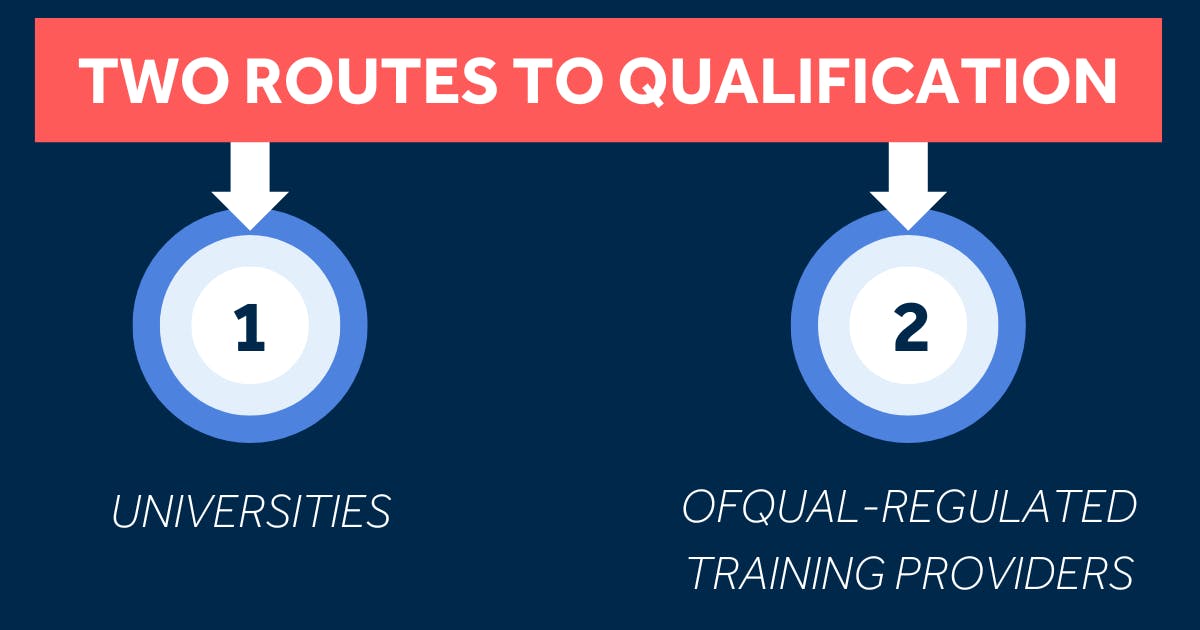
Regulative requirements play a crucial duty in making sure the high quality and safety of aesthetic training programs. These criteria include a range of lawful needs that training institutions must follow, consisting of educational program material, instructor certifications, and center precaution. Conformity with these policies not just assists maintain high educational standards but additionally shields the wellness and wellness of clients getting aesthetic therapies. Different governing bodies look after these guidelines, making sure that programs are routinely updated to mirror developments in the field. Institutions using aesthetic training needs to demonstrate adherence to neighborhood and national guidelines to attain certification. This commitment to regulative conformity promotes trust between customers and practitioners, eventually adding to a safer aesthetic method setting.
Significance of Qualification
While pursuing a profession in aesthetics, acquiring qualification is crucial for specialists to ensure conformity with lawful needs and sector requirements. Certification acts as a formal recommendation of a practitioner's credentials, guaranteeing they have the essential skills and knowledge to carry out aesthetic procedures safely and effectively. Furthermore, it boosts public count on, as customers frequently seek assurance that their suppliers are completely trained and abide by regulative guidelines. Compliance with accreditation demands additionally mitigates the risk of lawful effects stemming from malpractice or insufficient training. Furthermore, certified professionals are often much better placed in the competitive job market, as employers prioritize candidates that demonstrate dedication to specialist growth and adherence to market requirements. Inevitably, certification is a cornerstone of a respectable aesthetic method.
The Long-Term Advantages of Buying Regulated Courses
Investing in managed aesthetic courses can produce significant long-term advantages for professionals in the elegance industry. To start with, these courses enhance skillsets, ensuring professionals remain updated with the most up to date strategies and security methods. This understanding fosters self-confidence, allowing professionals to supply premium services that meet client expectations.
Furthermore, finishing regulated courses usually causes boosted reputation and count on among customers, which can convert right into a loyal customer base and increased recommendations. In addition, professionals might discover that their bankability boosts, permitting them to command higher charges for their experience.
Finally, continuous education can open doors to profession innovation possibilities, such as specialized duties or managerial placements within the industry, adding to greater task satisfaction and financial stability in the lengthy run.
Often Asked Questions
What Types of Aesthetic Treatments Call For Regulated Training?
Aesthetic therapies calling for controlled training include injectables like Botox and dermal fillers, chemical peels, laser hair removal, microneedling, and progressed skin care treatments. Proper training assurances safety and security, efficiency, and adherence to sector criteria in aesthetic methods.
Exactly How Can I Find Accredited Aesthetic Courses?
People looking for recognized aesthetic courses can investigate respectable institutions on the internet, consult professional associations, and review reviews. Networking with industry professionals additionally aids determine acknowledged programs that fulfill certification criteria and guarantee complete training.
Are Online Aesthetic Courses Considered Valid and Regulated?
Online aesthetic courses can be valid if accredited by recognized organizations. CO2 Fractional Laser London. Nevertheless, law differs by territory, making it necessary for people to confirm certification and guarantee that courses fulfill market requirements for security and professionalism
What Is the Expense of Regulated Aesthetic Training Programs?
The cost of controlled aesthetic training programs generally ranges from $1,000 to $5,000, depending on the establishment, course length, and consisted of materials. Elements like location and field of expertise may better influence rates variations.
How Often Do I Required to Restore My Aesthetic Certification?
Aesthetic qualifications usually need renewal each to 3 years, depending upon the particular program and jurisdiction. This guarantees practitioners continue to be current with industry requirements, strategies, and safety protocols needed for efficient method.
Regulated aesthetic courses play a substantial role in fostering professional and risk-free practices within the aesthetic sector. Aesthetic professionals must stick to rigorous safety and security methods to minimize difficulties and risks (Regulated Aesthetic Courses). Regulated education and learning plays a pivotal role in cultivating count on in between practitioners and clients in the aesthetic sector. By prioritizing professionalism and reliability, aesthetic professionals can distinguish themselves in a competitive market, ultimately leading to increased client commitment and favorable recommendations. Legal needs and conformity are important elements of aesthetic training, making certain that practitioners satisfy established governing standards